The Nature of Luck in Gambling
Luck is often regarded as a pivotal aspect that influences the outcome of various gambling activities. It embodies the unpredictable nature of chance events that can sway the result of a game in an instant. For instance, a player at a slot machine may hit a progressive jackpot entirely by chance, highlighting how luck can create significant windfalls without any prior strategy or skill. Many enthusiasts appreciate the thrill of games that offer excitement and rewards, such as those that allow you to love casino experiences. Understanding the role of luck is essential for gamblers, as it sets the foundation for their expectations, emotional responses, and ultimately their overall gambling experience.
Moreover, luck can manifest in patterns of wins and losses experienced by players over time. A gambler might encounter a streak of bad luck, losing multiple hands in poker, which can lead to frustration and a hasty decision to wager larger sums in an attempt to recover losses. This behavior is often fueled by emotion rather than a solid strategy, yet it reflects a crucial aspect of gambling: the realization that luck is an ever-present element that can either enhance or diminish their gambling adventures. The uncertainty of luck adds to the thrill of gambling, but it can also lead to poor decision-making if not managed wisely.
It’s also vital to recognize that luck does not discriminate. Regardless of a player’s experience or knowledge, anyone can experience a lucky break, while seasoned gamblers can still face unexpected losses. This unpredictability is part of what makes gambling exhilarating, as the outcome can change in an instant. However, relying solely on luck can result in disappointment and financial losses if players do not incorporate other elements, such as strategy and bankroll management, into their gambling approach. Ultimately, understanding luck’s role can help gamblers cultivate a more balanced mindset and approach to their games.
The Importance of Strategy
While luck plays a significant role in gambling, strategy is equally vital for achieving long-term success. Experienced gamblers understand that employing calculated strategies can increase their chances of winning and mitigate losses over time. For example, in games like poker, players rely on strategies such as probability assessment and psychological tactics to outsmart their opponents. By analyzing other players’ behaviors and adjusting their betting strategies accordingly, players can make more informed decisions that enhance their chances of success and create a more competitive edge.
Another area where strategy shines is in games like blackjack, where players can significantly improve their odds by mastering techniques such as card counting. This method allows players to track which cards remain in the deck, guiding their betting and playing decisions to gain an advantage over the house. Such strategic approaches showcase how knowledge and skills can work in conjunction with luck to produce favorable outcomes in gambling. A well-thought-out strategy can not only lead to higher returns but also create a more enjoyable and engaging experience.

Additionally, strategy encompasses critical skills such as bankroll management, which is essential for any gambler. By setting limits on how much to wager and determining how to allocate funds efficiently, a player can extend their playtime and increase the likelihood of experiencing winning streaks. This aspect of strategy provides players with a framework for making decisions that prioritize sustainability and rationality over impulsive choices driven by luck. Ultimately, a solid strategy adds depth to the gambling experience, encouraging players to approach their games with foresight and discipline.
The Balance Between Luck and Strategy
The relationship between luck and strategy in gambling is complex and multifaceted. While luck can lead to immediate rewards, strategy often determines a player’s longevity and resilience in the gambling world. For instance, a fortunate streak may lead a player to significant earnings in the short term; however, without a strategic plan to manage those winnings, a player might quickly find themselves back where they started—or worse, in debt. This illustrates that while luck can provide the initial thrill, it is the implementation of strategy that sustains success over time.
Furthermore, the interplay between luck and strategy can vary significantly across different gambling games. In games of chance, such as roulette or slots, luck tends to take precedence, while in skill-based games like poker or blackjack, strategy plays a more significant role. Recognizing where each element fits within specific games can help gamblers adopt a balanced approach, maximizing their potential for success. Understanding this balance allows players to appreciate the thrill of luck while being grounded in effective strategies that promote long-term success.
Ultimately, the most successful gamblers are those who understand and appreciate the relationship between luck and strategy. They acknowledge that while luck can bring about unexpected victories, it is the strategic implementation of skills and knowledge that secures their success over time. Thus, a balanced perspective fosters a more enjoyable and sustainable gambling experience, allowing players to navigate the ups and downs of the gambling world with confidence and awareness, ultimately leading to a more fulfilling engagement with their chosen games.
The Psychological Aspects of Gambling
The psychological dynamics of gambling play a crucial role in how players respond to luck and strategy. Emotional responses to winning or losing can greatly influence decision-making processes. For example, a player who experiences a significant win may feel invincible and continue gambling with reckless abandon, often leading to substantial losses. Conversely, a series of losses can create a sense of hopelessness, motivating players to chase their losses rather than reassessing their strategies. This highlights the importance of emotional regulation in gambling.
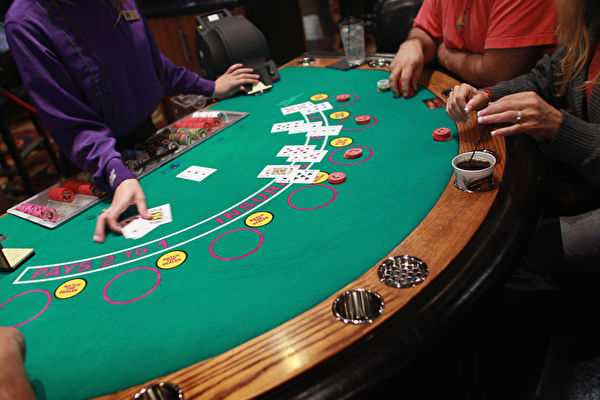
Understanding these psychological influences is essential for responsible gambling. Recognizing when emotions are driving decisions rather than strategic thinking can enable players to make better choices. Implementing self-awareness techniques and setting strict limits on gambling activities can prevent negative consequences. Furthermore, players should engage in regular self-reflection, evaluating their gambling habits and outcomes to discover patterns in their behavior. Such awareness can help them distinguish between moments of genuine strategic thinking and those driven by the highs and lows of luck.
Moreover, the social aspect of gambling, such as peer pressure in casinos or online betting environments, can exacerbate these psychological effects. Players may feel compelled to follow others’ strategies or chase the same luck that others appear to be experiencing. This can dilute their own strategic approaches and place them at greater risk of making impulsive decisions. Therefore, approaching gambling with a clear mind and an understanding of psychological triggers is essential for achieving long-term success. By fostering a mindset that balances emotional awareness with strategic planning, players can navigate the psychological complexities of gambling more effectively.
Exploring Resources for Gamblers
For those seeking to enhance their gambling experience, numerous resources are available to explore strategies and better understand the role of luck. Online platforms often provide educational articles, tutorials, and forums where experienced gamblers share insights and tips. Engaging with these resources can equip players with knowledge that enhances their strategic decision-making and fosters a deeper appreciation for the interplay of luck and skill. By actively participating in such communities, players can learn from others’ experiences, enriching their own understanding.
Additionally, responsible gambling initiatives have emerged as vital resources for players. Understanding the importance of limits, risk management, and self-control can help maintain a balanced approach to gambling. Gamblers can access programs and support groups dedicated to promoting healthy gambling habits, ensuring that enjoyment remains the primary objective rather than a pathway to financial distress. Such resources are essential for players who wish to cultivate a sustainable gambling practice that aligns with their personal values and financial goals.
Ultimately, utilizing available resources empowers gamblers to cultivate a more informed perspective on luck and strategy. By integrating insights from experts and fellow players, individuals can make better decisions, enjoy gambling responsibly, and maximize their potential for success. This comprehensive understanding is key to navigating the complexities of the gambling landscape effectively, allowing players to enhance their experiences while minimizing risks. A well-rounded approach, combining knowledge, strategy, and an awareness of the role of luck, can significantly enrich one’s gambling journey.